
European Supermarkets Hit by Suspected Cyberattacks as Freezers Overheat Across Seven Countries

European retailers face a growing refrigeration security problem
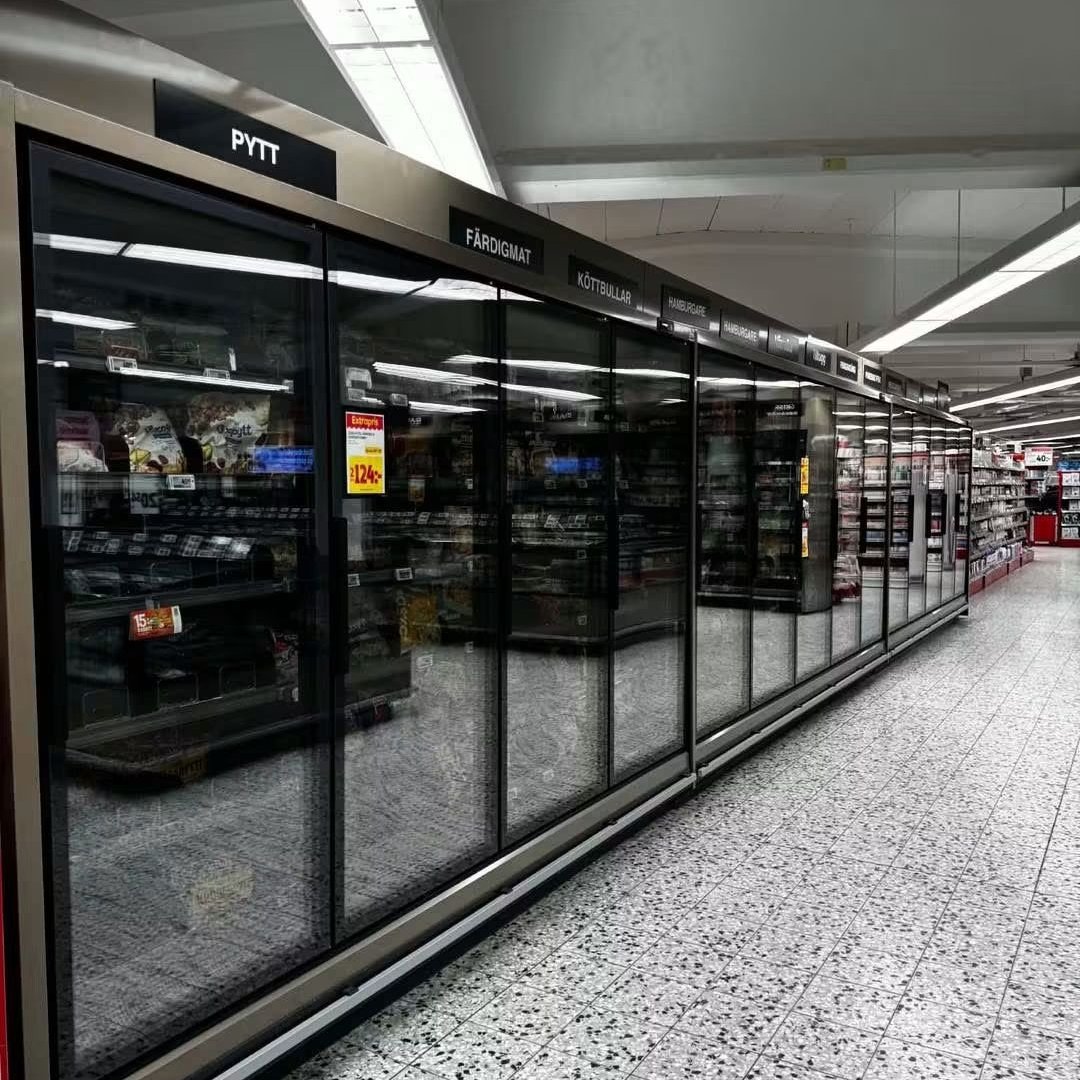
European supermarkets and food businesses are investigating a new wave of incidents in which refrigeration systems were disrupted and temperatures rose sharply, leaving some chilled and frozen products unsafe to sell. Reports published on November 2, 2026, by Reuters, the Associated Press and cybersecurity outlet The Record described cases across Sweden, Belgium, Luxembourg, Ireland, Estonia and the Netherlands, with additional temperature irregularities reported in Finland. The full scope is still developing, and the evidence does not establish that every incident is linked.
Sweden and Belgium report significant food losses
In Sweden, grocery chains ICA and Coop reported refrigeration problems at a number of stores. ICA did not publish a complete count, describing the affected locations as a limited number. One ICA store in Sjöbo said its cooling units had been tampered with and reached around 50°C; other Swedish reporting described a reading of 55°C at a store on Öland. Staff had to remove spoiled products, and some locations temporarily closed or restricted operations. Coop said several of its stores were affected, with Reuters reporting seven of its roughly 800 stores involved.
Belgium also reported disruption at stores operated by Delhaize, Carrefour and Spar, among others. Ahold Delhaize said an IT incident had affected refrigeration in several dozen stores, mostly in Belgium and some in neighboring Luxembourg. Carrefour reported 15 affected Belgian stores and said the impact was limited. Colruyt Group said five Spar outlets were hit. Reuters also reported that a Belgian butcher estimated losses of about €15,000 in spoiled meat after refrigeration temperatures rose. The number of affected sites and the final cost may change as investigations continue.
Other countries: different levels of confirmation
In Ireland, Musgrave Group said a cyber incident affected refrigeration systems in 13 SuperValu stores. Chilled and frozen products were removed from sale as a precaution, and the company later said the incident had been resolved and restocking was underway. In Estonia, a refrigeration technology supplier said an attacker accessed a computer controlling a client’s system and raised the temperature to 50°C. The intervention reportedly happened within minutes and prevented significant damage; supermarket chain Selver confirmed that one outlet was affected.
In the Netherlands, at least 17 businesses—including butcher shops and small food retailers—were reported affected, while major supermarket chains were not known to be impacted at the time of reporting. Finnish outlets reported temperature irregularities, but public information did not establish the same scale of deliberate manipulation as in the most clearly documented cases. These differences matter: not every reported refrigeration problem should automatically be described as a confirmed hack.
How can hackers make freezers heat up?
Modern supermarket refrigeration equipment is often connected to digital control systems used for remote monitoring, maintenance and temperature adjustment. If a controller is exposed to the internet, protected by weak or default credentials, or not updated, an intruder may be able to change settings or alter defrost cycles. A system intended to make equipment easier to monitor can therefore become a route to physical disruption when access controls are inadequate.
Some affected systems used temperature-control technology from Danish manufacturer Danfoss, which said it was working with customers on fixes. Reporting on the earlier French incidents described attackers manipulating remote controllers and, in some cases, delaying alarms by changing defrost settings. However, investigators have not publicly established one universal technical method for every incident in this latest wave.
The link to France’s October attacks remains unproven
The new incidents echo a major event in France in October, when refrigeration systems at hundreds of supermarkets and independent stores were reportedly manipulated, causing extensive food losses and some fires. The Paris prosecutor’s office told The Record that the earlier incident involved around 700 victims. French authorities opened an investigation, and reports indicated that several types of refrigeration controllers were involved.
Despite the similarities, no group has claimed responsibility for either wave, and investigators have not confirmed that the same attackers carried out both. Attribution is difficult because remote access to a control panel can leave limited evidence about who was behind it. Speculation about a criminal, political or state-sponsored motive should therefore not be presented as fact.
Why the incidents matter beyond supermarket losses
The immediate impact is wasted food, financial losses, temporary store closures and extra work for employees. The wider concern is that cyberattacks can affect operational technology—the systems that control physical equipment—rather than just websites, customer databases or payment platforms. Similar digital controls are used in warehouses, food processing, cold storage and other facilities where temperature is critical.
Repeated incidents could undermine confidence in food supply chains and create avoidable waste. Retailers and suppliers should review remote access, remove default passwords, apply security updates, restrict internet exposure, separate operational technology from corporate networks, and test whether alarms still work when systems are manipulated. Monitoring should flag unusual temperature changes quickly, with clear procedures for isolating affected equipment and assessing food safety.
What happens next?
Retailers, refrigeration suppliers and national cybersecurity authorities are investigating. The public record remains incomplete: affected-store totals differ by country, some incidents are described as IT disruptions rather than confirmed hacks, and no culprit has been identified. The most reliable approach is to follow updates from retailers, cybersecurity agencies and established news organizations rather than repeat unverified claims about the attacks’ origin.
Conclusion
The European supermarket refrigeration incidents show how a relatively overlooked system can become a target with tangible consequences. Temperatures reportedly reaching 50°C or higher have forced stores to discard food, while rapid intervention appears to have limited damage in some locations. Whether the cases form one coordinated campaign remains unknown. What is clear is that refrigeration equipment connected to remote networks must be treated as critical infrastructure and protected with the same seriousness as other business IT systems.
Sources and Open-Source Reporting
- Reuters — New cyberattack on supermarket fridges sweeps across Europe (Nov. 2, 2026) — reuters.com
- Associated Press — Supermarket freezers across Europe hit by suspected cyberattack (Nov. 2, 2026) — apnews.com
- The Record from Recorded Future News — Second wave of suspected cyberattacks hits supermarket freezers across Europe — therecord.media
- Le Monde — A disastrous day for French supermarkets after massive cyberattack targets refrigeration systems (Oct. 13, 2026) — lemonde.fr
- NL Times — Refrigeration systems of 17 Dutch businesses attacked (Nov. 2, 2026) — nltimes.nl
- Verkkouutiset English — Refrigeration cyber incidents and Finland reports (Nov. 2, 2026) — verkkouutiset.fi
- Sveriges Radio — ICA store refrigeration reportedly hacked — sverigesradio.se
Related articles

What the 2026 US Midterm Elections Mean: Congress, Senate, House and Governors
Learjet 60 Crash Near Palm Beach: What We Know About the Florida Private Jet Disaster

Flávio Bolsonaro's 2026 Election Campaign, Defeat and Reported Departure to the United States

Brazil Election 2026 — Results, Key Issues, and Political Impact